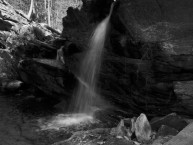
The Black Warrior Riverkeeper and the Friends of the Locust Fork environmental groups have settled their lawsuit against Metro Recycling for polluting the Locust Fork River with pollution from a used tire landfill in Blount County, Alabama.
U.S. District Judge L. Scott Coogler approved the settlement requiring Metro Recycling to cease illegal discharges of pollutants, obtain a pollution permit mandated by the Clean Water Act, and pay $7,500 for a Supplemental Environmental Project in the Locust Fork watershed.
The money will fund aquatic surveys in the Locust Fork watershed which will be used to determine future conservation goals within the watershed, according to a joint press release issued by the groups this week.
The parties chose the Freshwater Land Trust, an Alabama non-profit land conservation organization, to receive Metro Recycling’s payment and enable the aquatic surveys.
Metro Recycling owns and operates a used-tire landfill, which was found during Riverkeeper patrols to be discharging pollutants into an unnamed tributary of Whites Creek, a tributary of the Locust Fork of the Black Warrior River. Laboratory results from Riverkeeper’s water samples showed the pollutants illegally discharged by Metro Recycling included: Benzene (a known carcinogen), Chloromethane (possible carcinogen), 1,2-Dichloroethane (probable carcinogen), Ethylbenzene, Toluene, Vinyl Chloride (known carcinogen), and Xylenes, o,m,p.
Metro Recycling violated the Clean Water Act and Alabama law by discharging pollutants without a proper permit, according to Nelson Brooke, Riverkeeper and Executive Director of the Black Warrior Riverkeeper.
“As Riverkeeper of this large watershed, help from committed locals who serve as my eyes, nose, and ears is crucial,” Brooke said in an e-mail interview. “We would not have known about this problem without concerned locals reporting it to us. Working in concert with locals we are an important voice for citizens when our state and federal agencies fail to adequately enforce environmental laws. Under our watch, polluters will be held accountable.”
The settlement money will help the environmental groups better understand the river’s aquatic biodiversity and act as better stewards in future conservation efforts.
“The Friends of the Locust Fork River is glad to be part of an opportunity to update the aquatic survey of the mid-70s through the Supplemental Environmental Settlement portion of the suit with Metro Tire Landfill,” according to Sam Howell, president of the group. “The study will indicate the current health of the Locust Fork River and give FLFR and Black Warrior Riverkeeper information on how to be better stewards of this river’s watershed. I am pleased The Freshwater Land Trust accepted the request to be the facilitator of the $7500.00 to begin the renewed aquatic study. I know the results will make the river and the communities surrounding it a better place to live.”
The Locust Fork of the Black Warrior River is a remarkable free-flowing river. Flowing for 159 miles out of Etowah, Marshall, and Blount counties into Jefferson County, the river is an outstanding resource for locals and visitors alike.
Click here for the settlement agreement.
Click here for the original lawsuit.
Black Warrior Riverkeeper is a non-profit organization whose mission is to protect and restore the Black Warrior River and its tributaries.
Friends of the Locust Fork is a non-profit grassroots organization dedicated to preserving the integrity of the Locust Fork River in its natural free-flowing state, and to that end, the lifestyle of the community which surrounds it.
Freshwater Land Trust is a non-profit organization whose mission is the acquisition and stewardship of lands that enhance water quality and preserve open space.
The Locust Fork News-Journal is an independent online news organization inspired in part by the Locust Fork River. To understand why, read these signature stories about it.
Secret Vistas: A River Runs Through It
The Future of Democracy and the Web Press